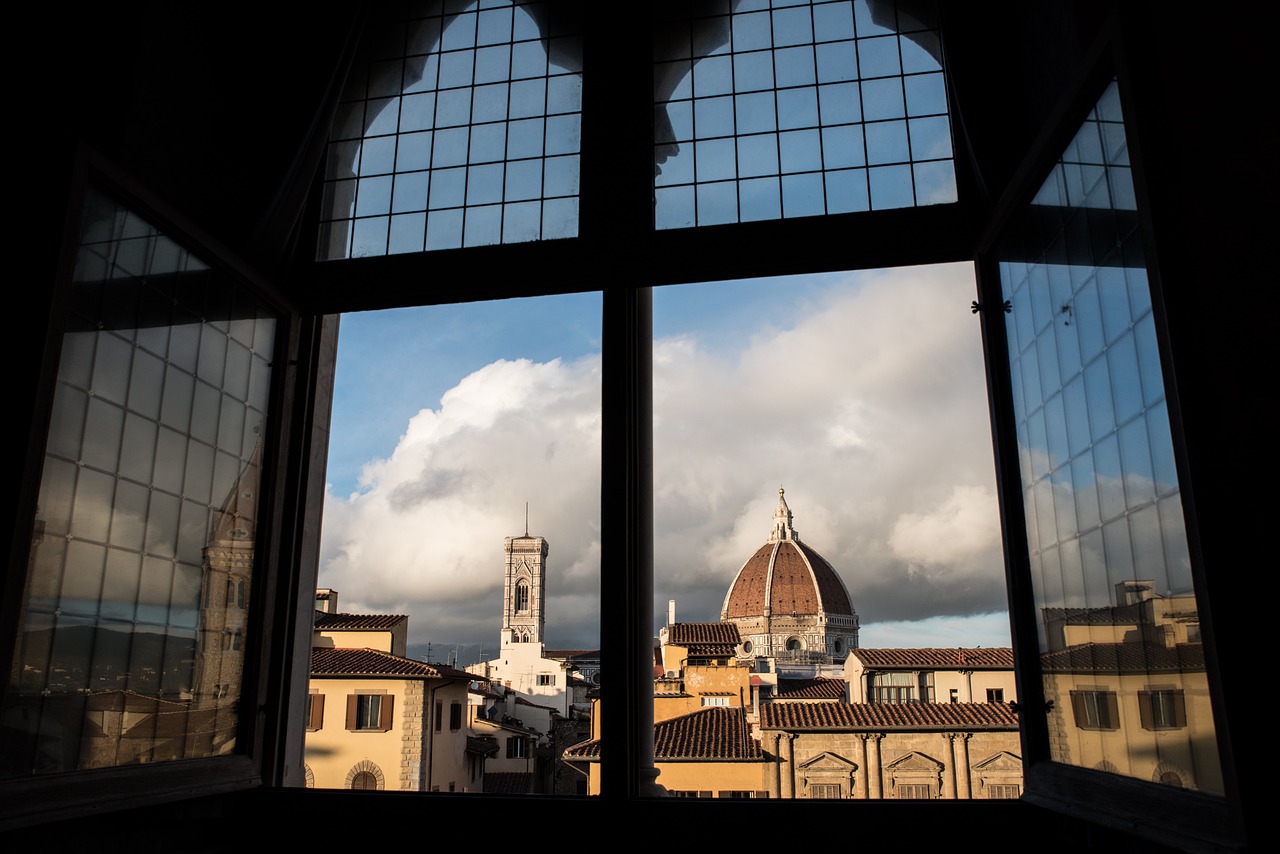
The preservation of Tampa's historic neighborhoods is a delicate balance between respecting architectural heritage and adopting sustainable practices. One significant challenge lies in roofing for historic homes Tampa, where traditional materials and methods can be both costly and environmentally impactful. The city's rich history means many buildings boast unique roofing structures, often requiring specialized care and specific replacement materials. Reusing roofing materials offers a promising solution, minimizing waste, reducing construction costs, and lowering the carbon footprint of these delicate urban ecosystems. This article examines the environmental advantages, exploring how Tampa's historic neighborhoods can benefit from responsible roofing practices.
- Evaluating Tampa's Historic Roofing Options
- Environmental Impact of New vs. Reused Materials
- Preserving Historic Homes with Sustainable Roofing
- The Cost-Effective Approach: Reusing Roofing in Tampa
- Community Initiatives for Eco-Friendly Historic Preservation
Evaluating Tampa's Historic Roofing Options
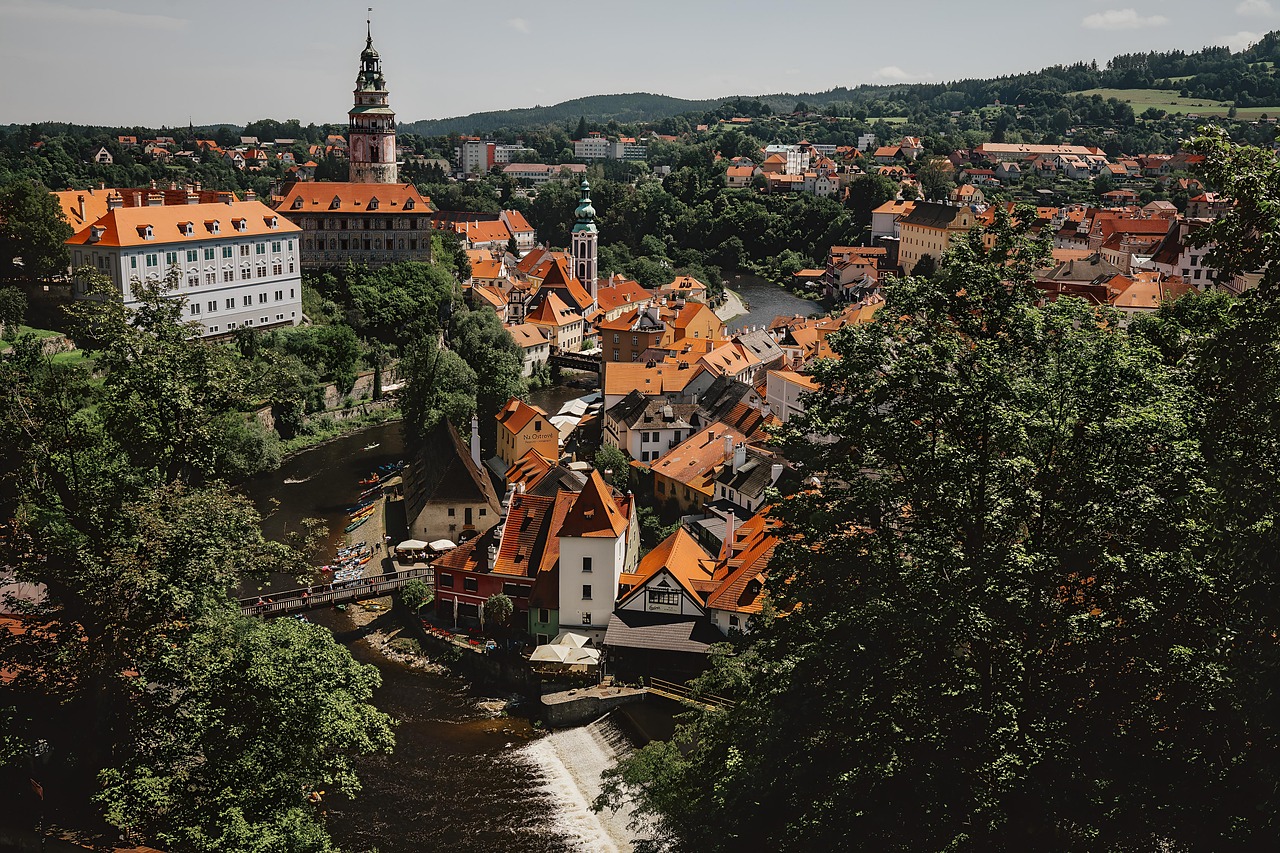
When considering roofing for historic homes Tampa, the first step is evaluating options that both preserve the building's original character and minimize environmental impact. Tampa's historic neighborhoods boast unique architectural styles that demand specialized roofing solutions. The challenge lies in finding materials that align with the building's design while offering long-term durability and sustainability.
Roofing for historic homes with unique architecture in Tampa requires a nuanced approach. Property owners and historic preservation experts must balance the need for repair and restoration with the desire to maintain the structure's integrity. One of the most effective strategies involves reusing or recycling existing roofing materials whenever possible. If a historic home has tiles from a specific era, carefully assessing their condition can determine if they can be repurposed. This method not only reduces waste but also maintains the building's authenticity.
Choosing the right roofer is crucial for successful historic roofing projects. Homeowners should consider roofer selection criteria tailored to Tampa's historic homes, such as experience in working with local historical societies or preservation groups. Top-rated roofers who specialize in historic restoration will have the expertise to recommend the best roofing materials for each specific home. Metal roofing might be an ideal choice for its longevity and ability to mimic the look of historic slate tiles, while still allowing for efficient drainage and reduced maintenance over time.
Evaluating roofing costs and budget planning is essential. Historic preservation often requires affordable roofing options that align with limited budgets. Property owners can explore tax incentives and grants available for historic home restoration, which can help offset roofing costs. By combining careful material selection, expert craftsmanship, and strategic planning, Tampa residents can preserve their historic homes while contributing to the city's environmental sustainability and cultural heritage.
Environmental Impact of New vs. Reused Materials
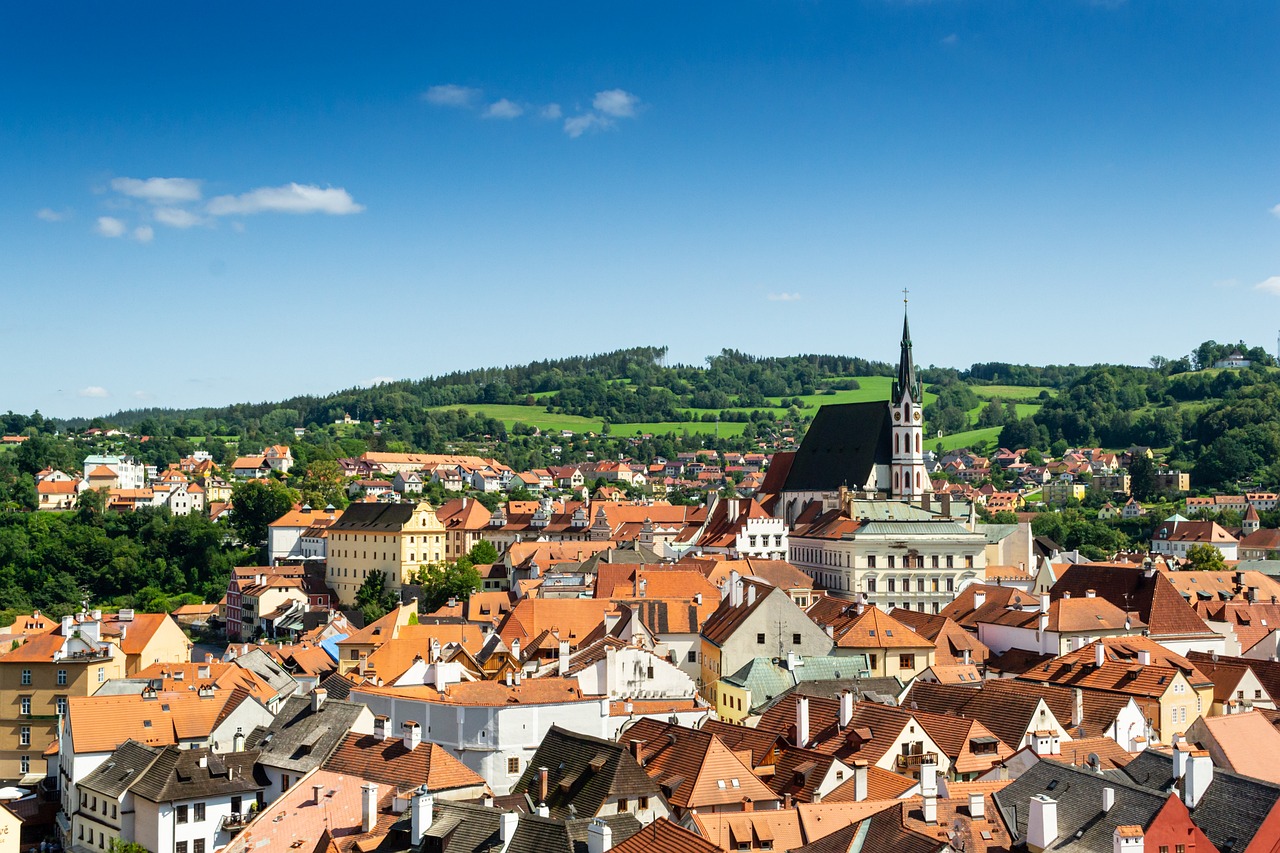
When considering roofing for historic homes Tampa, an important factor is the environmental impact of the materials used. The choice between new and reused roofing materials can significantly affect the overall sustainability of a project. Trusted roofers for historic home renovations Tampa and top-rated historic home roofers Tampa alike understand the value of reusing materials, not just for cost savings but also for the planet.
New roofing materials, while offering a range of options, contribute to environmental degradation through resource extraction, manufacturing, and transportation. The production of asphalt, a common roofing material, requires significant amounts of energy and petroleum products. In contrast, reusing roofing materials, such as shingles or tiles from historic homes, minimizes these environmental costs. This practice conserves natural resources, reduces landfill waste, and cuts down on the carbon footprint associated with new material production.
Professional roofing for historic properties Tampa often involves a careful selection process to source suitable, aesthetically pleasing, and, crucially, environmentally friendly materials. Reusing historic roofing materials can be a cost-effective way to maintain the original character of a building while aligning with sustainability goals. A roofer might source old shingles from a recent demolition project, providing a like-new material for a new installation, thus extending the life of these materials and reducing the demand for new ones. This approach not only preserves the historic integrity of the neighborhood but also fosters a circular economy, where resources are used efficiently and waste is minimized.
Preserving Historic Homes with Sustainable Roofing
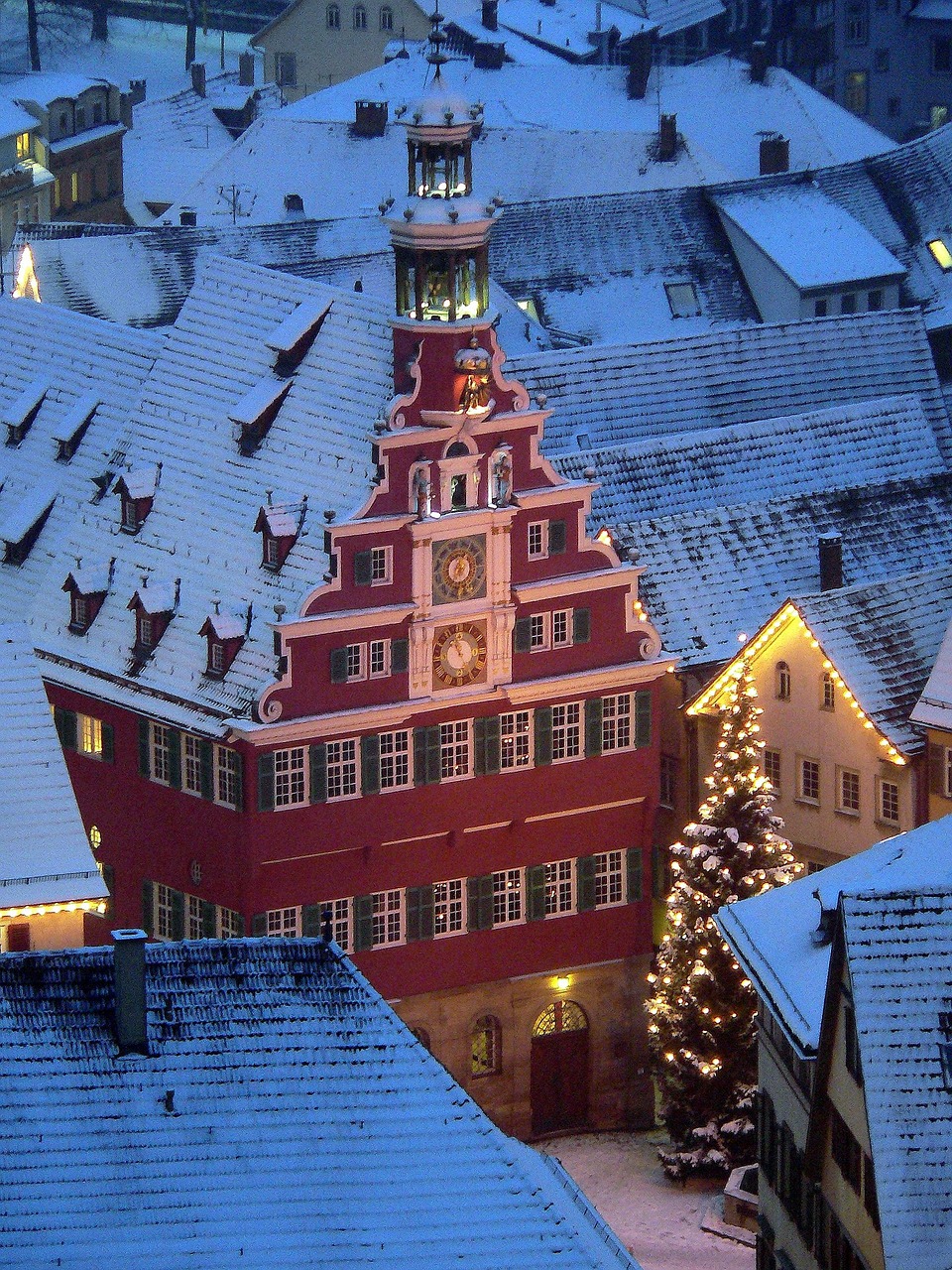
Preserving historic homes in Tampa involves more than just maintaining their unique architectural charm; it also includes embracing sustainable practices, especially for roofing. Roofing for historic homes Tampa that aligns with the era and style of these properties offers a range of environmental benefits. Local Tampa roofing specialists for historic homes understand the importance of preserving the original integrity of these structures while minimizing the ecological footprint.
When considering roofing for historic homes with unique architecture Tampa, it's crucial to select materials that can withstand the test of time. Many historic homes have been standing for decades, if not centuries, and their roofs need materials that reflect this longevity. The right roofing for historic homes near me Tampa should not only match the historical period but also be crafted from sustainable sources. Reclaimed wood shakes or tiles can be an excellent choice for their natural, low-impact origin and ability to blend seamlessly with traditional architecture.
Expert advice from TopFloridaPros emphasizes the importance of balancing preservation and sustainability. Historic home preservation requires careful consideration of every detail, from the color of the paint to the type of roofing. By choosing roofing for historic homes Tampa that incorporates recycled or renewable materials, homeowners and preservationists can reduce waste and lower their carbon footprint. These eco-friendly roofing options can help these iconic structures stand strong against Florida's climate, ensuring their longevity for future generations. This approach not only preserves the architectural heritage but also contributes to a greener, more sustainable Tampa.
The Cost-Effective Approach: Reusing Roofing in Tampa

In Tampa, preserving historic homes goes beyond aesthetics; it's an environmental responsibility too. Reusing roofing materials offers a cost-effective and sustainable approach to maintaining these cultural treasures. When considering roofing for historic homes Tampa, property owners and preservationists can save money and resources by opting for material reuse. This strategy not only reduces waste but can also lower overall project costs.
Top-rated historic home roofers Tampa understand the unique challenges of working with historic structures. They are experts in selecting appropriate roofing materials that align with the building's age and style. Unlike replacing roofs entirely, which often involves disposing of perfectly good materials, reusing roofing requires careful assessment and sometimes simple repairs. A roofer might be able to salvage and reuse a substantial portion of an older roof's shingles or tiles, minimizing the need for new materials. This process can be particularly beneficial for homes with rare or hard-to-find architectural details.
Choosing a roofer for your historic home involves more than just finding someone with experience; it's about selecting a contractor who understands the importance of preservation. Homeowners should consider engaging with local experts who specialize in historic home restoration and are familiar with the specific roofing needs of Tampa's diverse historic neighborhoods. By embracing material reuse, Tampa's historic communities can preserve their unique character while contributing to a more sustainable future.
Community Initiatives for Eco-Friendly Historic Preservation

In Tampa's historic neighborhoods, the preservation of charming, old homes goes hand in hand with environmental stewardship. Reusing roofing materials is a key component of this sustainable approach, offering multiple benefits for both the community and the planet. Community initiatives play a vital role in promoting eco-friendly historic preservation, ensuring that these neighborhoods maintain their unique character while minimizing their environmental footprint.
For roofing for historic homes Tampa, trusted roofers for historic home renovations Tampa, and top-rated historic home roofers Tampa, professionals who understand the importance of preservation are essential. Local, experienced roofers can assess the condition of existing roofs and determine the most sustainable options. They might recommend repairing and reusing the existing roofing materials instead of replacing them with new ones. This practice not only reduces the amount of waste generated but also conserves the character and history embedded in the original roofing. By prioritizing top-rated local roofers, the community can ensure that historic homes are restored with both care and environmental consciousness.
Affordable roofing solutions are another crucial aspect of these initiatives. Historic preservation doesn't have to be expensive, especially when using recycled materials. Creative reuse of roofing materials can result in cost-effective repairs and renovations. Reclaimed tiles or shingles can be reglazed and reinstalled, providing a fresh look while significantly cutting down on material and labor costs. This approach not only benefits homeowners but also the entire neighborhood, as it encourages a more sustainable and economically viable way of preserving historic homes. By planning and budgeting with an eye towards eco-friendliness, Tampa's historic neighborhoods can maintain their beauty while minimizing their environmental impact.
Reusing roofing materials in Tampa's historic neighborhoods offers a powerful blend of environmental and economic benefits. By opting for this sustainable practice, residents and preservationists can significantly reduce the environmental impact associated with new material production, while also contributing to the cost-effective restoration of these cherished historical structures.
Through evaluating local options and selecting top-rated roofers with expertise in historic preservation, Tampa can foster a thriving community of eco-friendly practices. The article has highlighted the value of considering roofing as a key component in overall preservation plans, with affordable options and community initiatives playing pivotal roles.
Practical steps forward include increased engagement with local experts, such as TopFloridaPros, to ensure emergency repairs and regular maintenance align with the unique needs of historic homes. Planning and budgeting for roofing projects should incorporate the unique characteristics and costs of sustainable materials, ensuring both the preservation of Tampa's architectural heritage and a lighter environmental footprint.
Roofing for Historic Homes Tampa: A Sustainable Approach
In Tampa's historic neighborhoods, preserving charming homes means embracing both preservation and environmental stewardship. Reusing roofing materials is a key strategy, reducing waste, conserving resources, and maintaining the unique character of these buildings. Top-rated local roofers, experienced in historic home renovations, can assess and recommend sustainable options, including repairing and reusing existing roofs. This approach, coupled with creative material reuse and affordable, eco-friendly solutions, ensures that Tampa's historic homes are preserved while minimizing their environmental impact. By selecting the right roofer and planning strategically, homeowners can contribute to the city's cultural heritage and sustainability goals simultaneously.