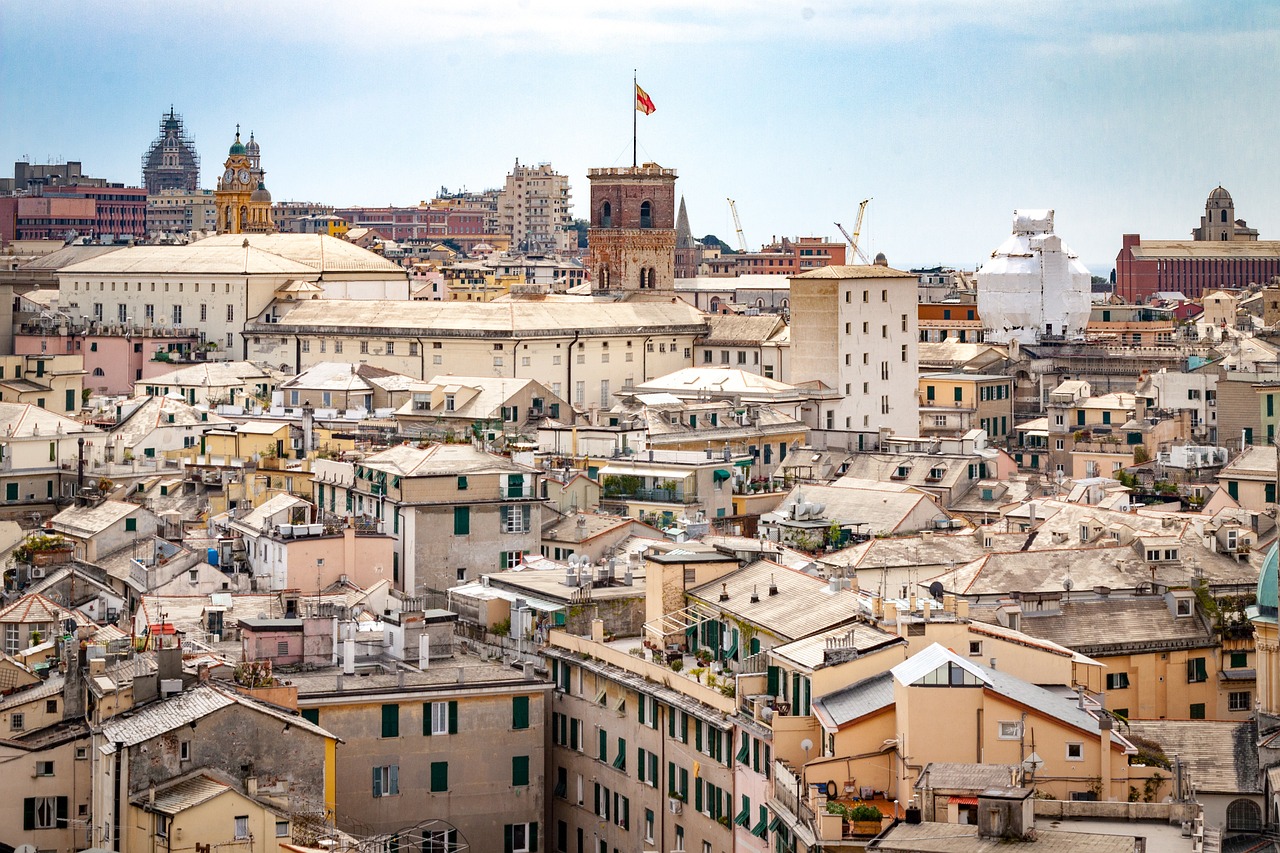
The preservation of Tampa's historic neighborhoods is a delicate balance between maintaining the city's rich architectural heritage and adopting sustainable practices. One often-overlooked aspect of this balance involves roofing for historic homes Tampa-a key component in both the aesthetics and environmental health of these districts. The problem lies in the disposal of roofing materials, which can have significant environmental impacts. This article explores the environmental benefits of reusing roofing materials, providing valuable insights for residents, contractors, and preservationists aiming to protect Tampa's unique character while minimizing waste.
- Evaluating Tampa's Historic Roofing Heritage
- The Environmental Impact of Material Discard
- Reusing: A Sustainable Solution for Historic Homes
- Local Initiatives for Roofing Recycling in Tampa
- Long-Term Benefits for Historic Neighborhoods and the Planet
Evaluating Tampa's Historic Roofing Heritage
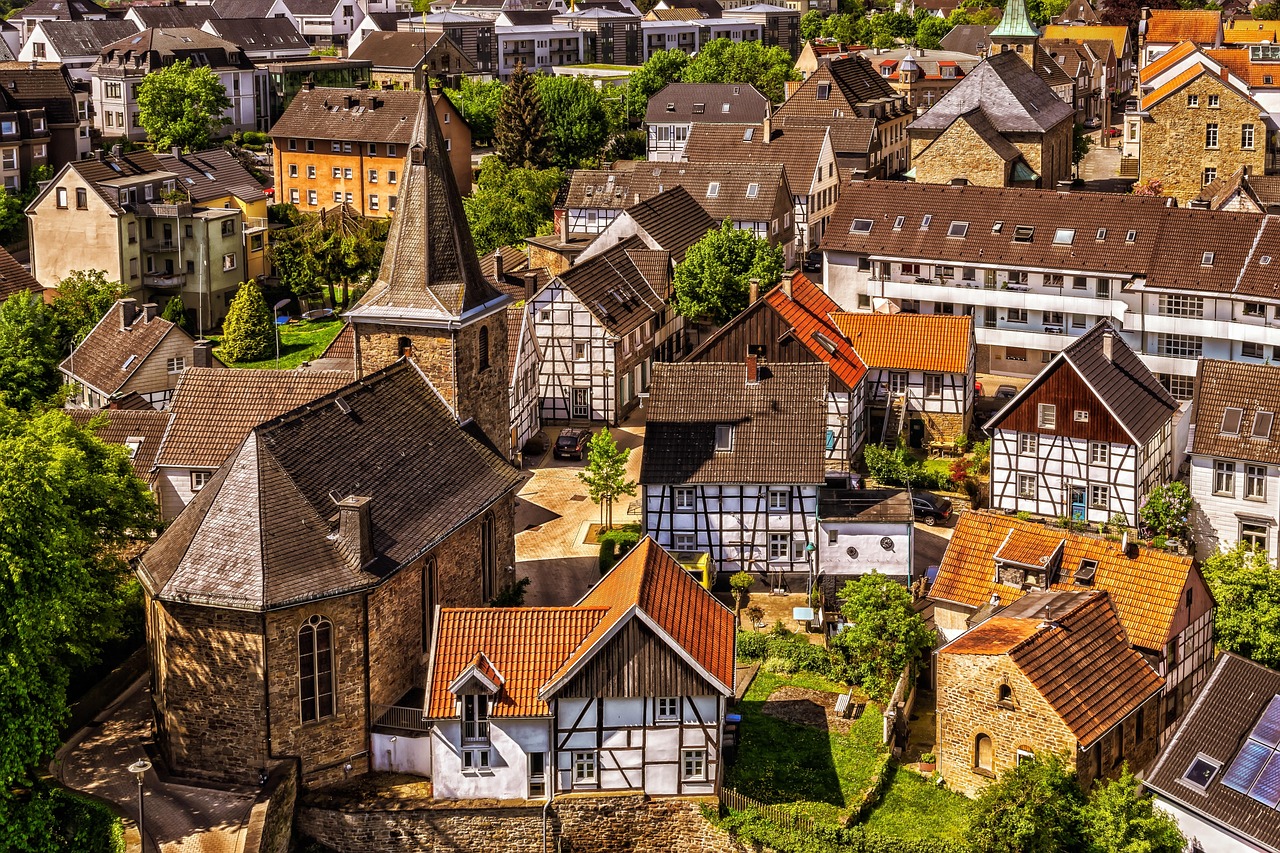
Evaluating Tampa's historic roofing heritage requires a deep examine the region's architectural past and the materials that have stood the test of time. Many of the city's historic homes, ranging from Victorian to Art Deco styles, boast roofs that reflect their era of construction. These materials, from clay tiles to metal shingles, offer not only aesthetic value but also environmental benefits. Understanding this heritage is crucial when considering roofing for historic homes Tampa.
Top-rated historic home roofers Tampa, like those at TopFloridaPros, are experts in these materials, ensuring their proper restoration and repair. Clay tiles, once common in the early 20th century, require specialized knowledge to install and maintain. The same is true for metal shingles, which gained popularity in the 1930s. By reusing these materials, we not only preserve the original character of a property but also minimize waste. This approach aligns with the broader goal of sustainable construction and reduces the demand for new resources.
When planning roofing for historic homes Tampa, budget planning is key. While some materials may be more affordable than others, the overall cost can vary widely based on the extent of repair or replacement. Historic preservation, in this case, can be seen as a long-term investment. A thorough inspection might reveal that a simple repair is all that's needed, saving money compared to a full replacement. Engaging with trusted roofers for historic home renovations Tampa who understand these nuances can help property owners make informed decisions, balancing preservation with affordability.
Evaluating a roof's condition requires a keen eye for detail. Emergency repairs, while necessary, should be followed by a comprehensive assessment to ensure the new roofing complements the historic character of the home. This balance is crucial to maintaining Tampa's architectural diversity. A roofer with expertise in historic roofing can recommend materials and techniques that blend seamlessly with the existing structure, preserving the building's unique identity.
The Environmental Impact of Material Discard
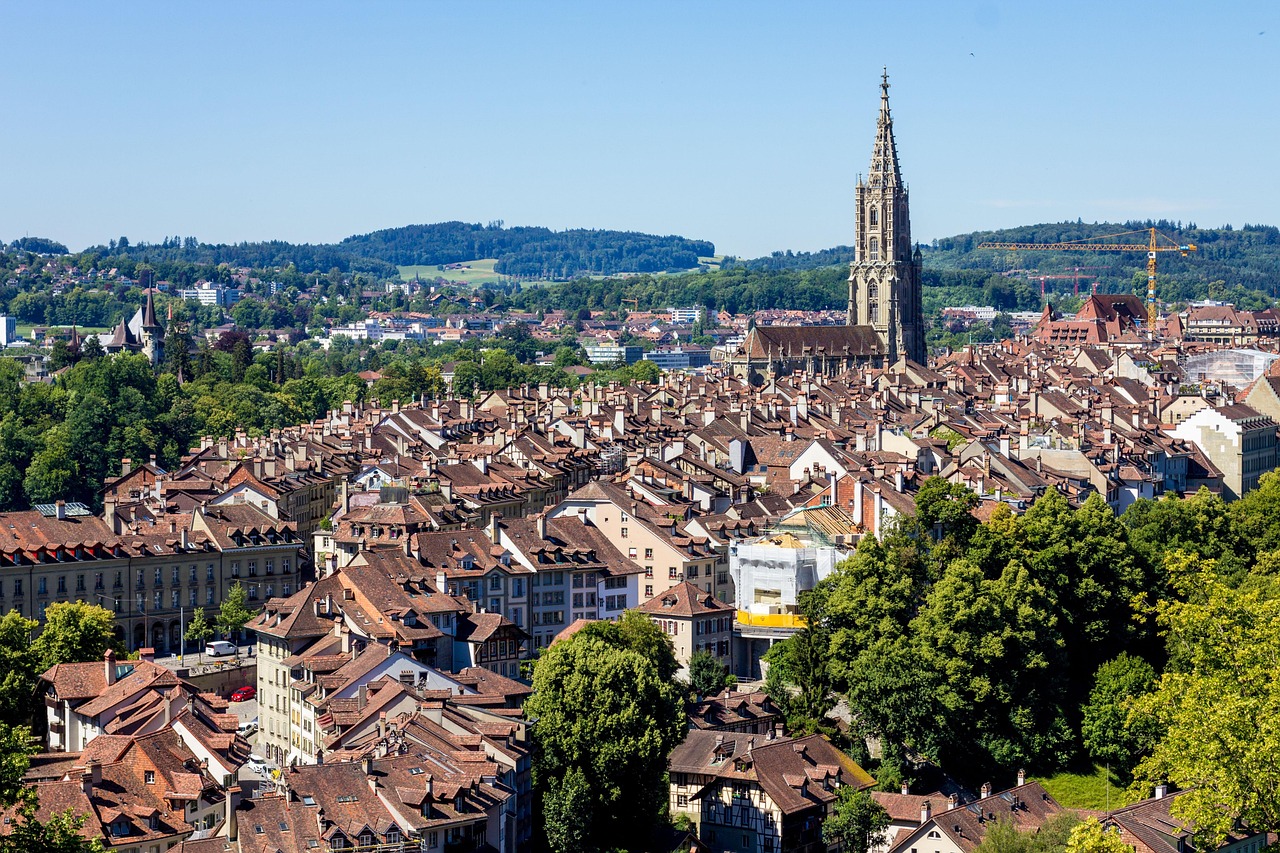
The environmental impact of discarding roofing materials is a critical consideration, especially when dealing with historic homes in Tampa. The process of removing and replacing roofs on these structures not only carries financial costs but also has a significant ecological footprint. According to expert advice on roofing historic homes Tampa, this impact can be mitigated by embracing the reuse of materials whenever possible.
In the context of Tampa's historic neighborhoods, many roofing materials can be repurposed, reducing the demand for new resources and minimizing waste. A nearby roofer for historic homes Tampa specializing in restoration has successfully reused old shingles, transforming them into landscaping mulch. This not only cuts down on the need for new materials but also offers a cost-effective solution for property owners looking to maintain the historical integrity of their homes. The process of recycling roofing materials is particularly important for emergency roof repairs, where swift action is necessary but environmental stewardship remains a priority.
The preservation of roofing materials contributes to the broader goal of sustainable historic preservation. By choosing affordable roofing options that align with the architectural style of these homes, property owners and contractors can achieve both aesthetic and environmental benefits. This approach encourages a holistic view of home restoration, where every decision, from roofer selection to material choice, is guided by the principle of minimizing ecological disruption. The result is a vibrant, historically accurate, and eco-friendly Tampa community.
Reusing: A Sustainable Solution for Historic Homes
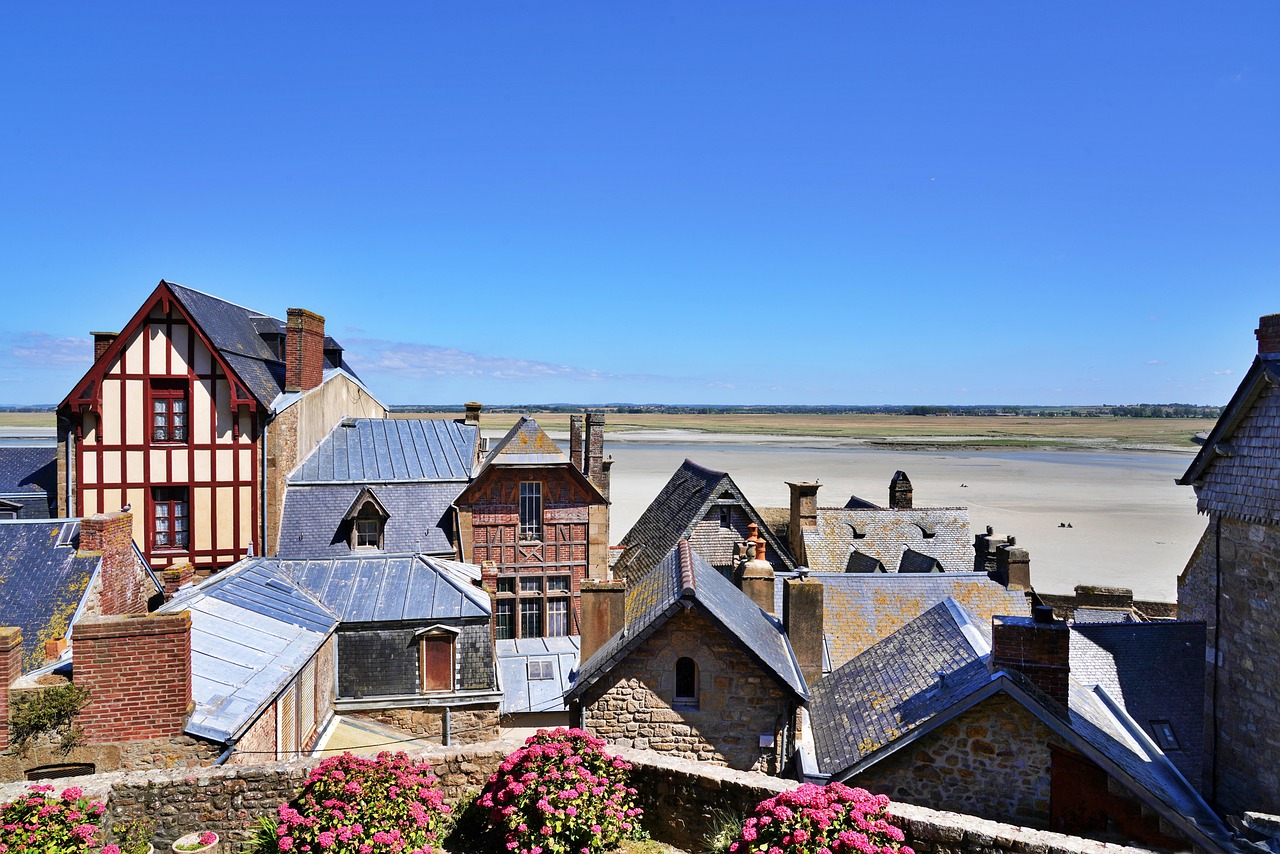
Reusing roofing materials in Tampa's historic neighborhoods offers a sustainable solution that aligns with the city's commitment to historic home preservation. When considering affordable historic home roofing Tampa, experts recommend prioritizing local roofing specialists who have a deep understanding of the unique requirements of these structures. Nearby roofers for historic homes Tampa can provide access to reclaimed or recycled materials that not only reduce environmental impact but also preserve the character of the neighborhood.
The process of reusing roofing materials involves several steps, from assessment to installation. Top-rated roofers who specialize in historic homes in Tampa will conduct a thorough inspection to determine the best course of action. This may include replacing damaged or missing sections while utilizing existing, sound materials. By doing so, these specialists minimize waste, which is a significant environmental benefit. Historic roofing, when properly restored, can last for centuries, reducing the need for frequent replacements and further decreasing the demand for new materials.
Tampa's local roofing experts can offer advice on budget planning and cost estimation. While the initial investment in affordable historic home roofing Tampa might seem higher, the long-term savings are substantial. The reduced need for frequent repairs and replacements, along with the preservation of the home's historic value, can make reusing roofing materials a financially prudent choice. This approach also contributes to the overall sustainability of the city, ensuring that Tampa's historic neighborhoods remain vibrant and environmentally friendly.
Local Initiatives for Roofing Recycling in Tampa
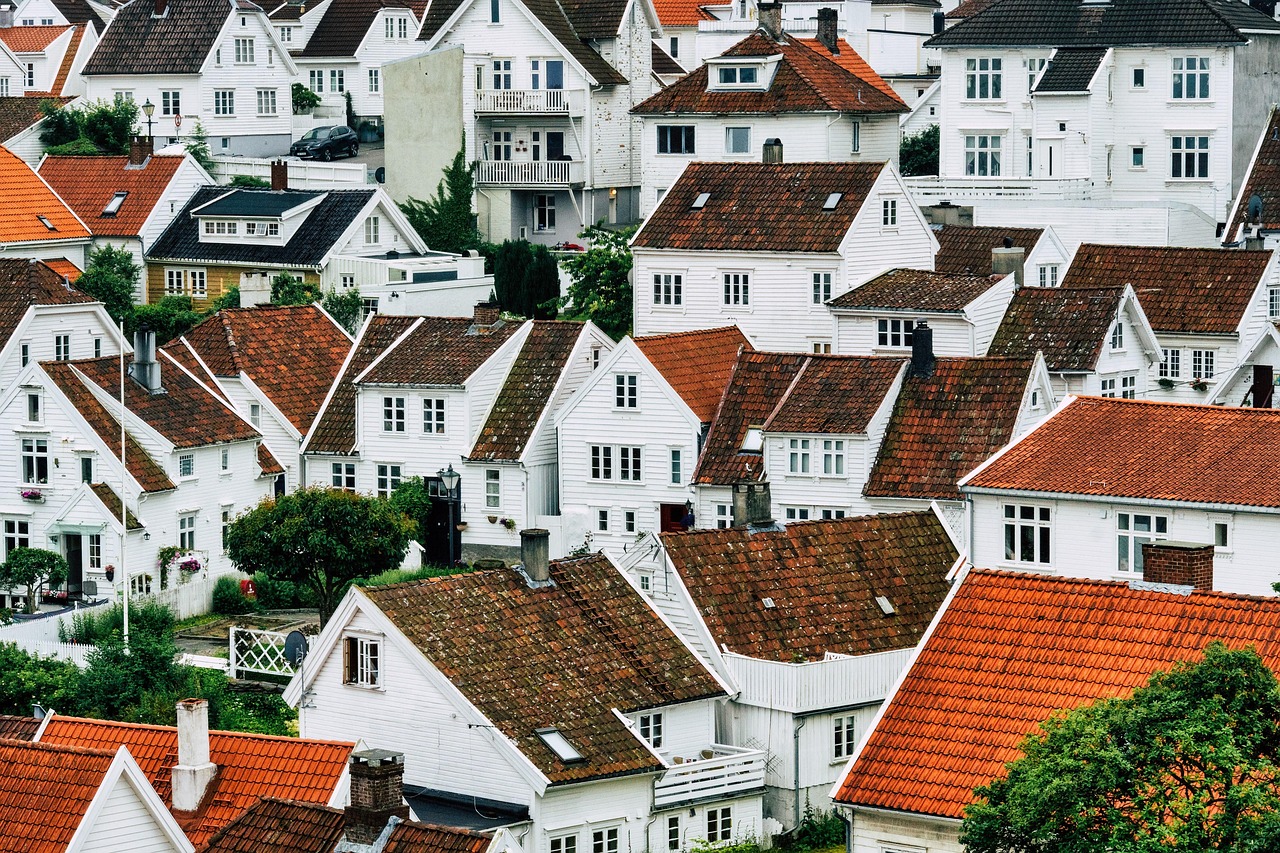
In Tampa's vibrant historic neighborhoods, local initiatives have emerged to address the environmental impact of roofing while preserving the city's unique architectural heritage. The city's focus on sustainable practices has led to innovative recycling programs that benefit both the community and the historic homes that define its landscape. One notable approach involves collaborating with nearby roofers specializing in historic home preservation. These experts are crucial in implementing affordable roofing solutions that not only meet modern standards but also respect the character of Tampa's vintage buildings.
The process starts with the careful selection of roofers based on their expertise and commitment to environmental stewardship. Top-rated roofers in the area are engaged in these initiatives, providing expert advice on roofing for historic homes Tampa while ensuring the responsible disposal of old materials. When a roofing project in these neighborhoods commences, the old roof is carefully removed, and its components are sorted for recycling. This method significantly reduces the environmental footprint of construction and renovation projects. Asphalt shingles can be recycled into new products, while metal roofing can be smelted and reused, closing the loop on material waste.
Local programs offer financial incentives to encourage the adoption of these practices. Property owners can benefit from tax advantages and grants when they opt for affordable historic home roofing Tampa that aligns with environmental sustainability. This dual approach of expert involvement and financial support fosters a thriving market for recycled roofing materials, making it easier for Tampa residents to contribute to the preservation of their historic homes while minimizing their ecological impact.
Long-Term Benefits for Historic Neighborhoods and the Planet

In Tampa's historic neighborhoods, the choice of roofing materials goes beyond aesthetics; it's a crucial step in preserving the city's architectural heritage while minimizing environmental impact. When considering roofing for historic homes Tampa, long-term benefits extend far beyond the roofline. Trusted roofers for historic home renovations Tampa understand that using reclaimed or recycled materials can significantly reduce a structure's carbon footprint. Metal roofing, when sourced responsibly, offers a durable, low-maintenance option that can last for decades, eliminating the need for frequent replacements.
The planet benefits directly from this approach. By opting for cost-effective roofing solutions for historic homes Tampa that prioritize sustainability, residents contribute to a circular economy, where materials are reused and recycled. This reduces the demand for new resources, thereby decreasing energy consumption and greenhouse gas emissions associated with manufacturing and transportation. Many roofing materials, once removed, can be ground and repurposed into new products, closing the loop on waste.
Best roofing materials for historic homes Tampa are those that align with the building's original style and structure while meeting modern sustainability standards. This might include hand-crafted tiles, reclaimed wood shingles, or recycled metal. These materials not only conserve resources but also maintain the authentic character that makes Tampa's historic districts so prized. A well-restored roof can enhance the overall value of a property, ensuring that the neighborhood's unique charm remains intact for generations to come.
Reusing roofing materials in Tampa's historic neighborhoods offers a powerful path towards environmental stewardship and community preservation. By evaluating and preserving the city's unique roofing heritage, we minimize the ecological impact of discarding materials. Through local initiatives and expert roofer selection, Tampa can facilitate efficient recycling and reuse, reducing waste and lowering the environmental footprint. This sustainable approach not only benefits historic homes but also has long-term positive effects on the planet, ensuring that the city's past and present coexist harmoniously with a greener future.
The key takeaway is that roofing for historic homes Tampa can be both an art and a science, with significant environmental and cultural implications. By embracing reuse, Tampa's historic neighborhoods can thrive, leaving a lasting legacy of conservation and innovation.
Environmental Benefits of Reusing Roofing Materials in Tampa's Historic Neighborhoods:
Tampa's historic homes boast diverse roofing styles, requiring specialized knowledge for restoration. Reusing these materials-from clay tiles to metal shingles-preserves architectural integrity while minimizing waste and ecological disruption. Engaging top-rated historic home roofers Tampa who understand these nuances is crucial.
Budget planning is key, as material costs vary; historic preservation can be a long-term investment. Emergency repairs should be followed by comprehensive assessments to ensure new roofing complements the home's character. Local roofers specializing in historic homes can provide access to recycled or reclaimed materials, reducing environmental impact.
Affordable historic home roofing Tampa, guided by expert advice, combines sustainability with preservation. The process involves careful assessment, responsible disposal of old materials, and sorting for recycling. Financial incentives and expert involvement foster a market for recycled roofing, benefiting both the community and historic homes.
The best roofing materials for historic homes Tampa are those that align with the building's style and structure while being sustainable. Hand-crafted tiles, reclaimed wood shingles, and recycled metal offer long-lasting, eco-friendly options. This approach ensures the preservation of Tampa's architectural heritage while contributing to a circular economy.