In Tampa's historic neighborhoods, preserving the past while ensuring a sustainable future presents a unique challenge, particularly for roofing. The environmental impact of traditional roofing materials and methods is well-documented, with many leading to waste, energy consumption, and carbon emissions. Reusing roofing materials offers a compelling alternative, aligning with both the spirit of historic preservation and modern environmental stewardship. This article explores the significant environmental benefits of adopting roofing for historic homes Tampa as a strategy, highlighting how this approach can reduce waste, conserve resources, and lower the carbon footprint of these precious neighborhoods. By the end, you'll understand why reusing roofing materials is a win-win for both Tampa's rich history and its green initiatives.
- Assessing the Impact: Tampa's Historic Roofs and Their Value
- Reusing Roofing Materials: A Sustainable Approach
- The Environmental Footprint of Historic Homes' Roofs
- Community Engagement: Tampa's Historic Neighborhoods and Recycling
- Long-Term Benefits: Green Roofs for Tampa's Historic Future
Assessing the Impact: Tampa's Historic Roofs and Their Value

In Tampa's historic neighborhoods, the impact of roofing decisions extends far beyond aesthetics. When considering roofing for historic homes Tampa, assessing the environmental value of materials is crucial. Historic homes often boast unique architectural details and construction methods that require specialized knowledge to preserve. The most suitable roofing materials not only match the home's original look but also contribute to sustainability. This is particularly important in a city known for its warm, humid climate, where roofing choices can significantly affect energy efficiency and the local environment.
Licensed historic home roofing contractors Tampa have been known to reuse and recycle materials, minimizing waste and reducing the need for new resource extraction. This practice aligns with modern trends in preserving historic homes with modern roofing Tampa. By salvaging and repurposing existing shingles, for example, contractors can extend the life of these materials, reducing the environmental footprint of new installations. Using reclaimed materials also allows for a more authentic restoration, as it respects the original architectural integrity.
When deciding on the best roofing materials for historic homes Tampa, experts suggest balancing historical accuracy, durability, and environmental impact. Clay tiles, for instance, are a popular choice due to their longevity and traditional use in many historic buildings. However, modern composite materials offer similar durability with lower environmental costs, as they often contain recycled content. Each option has its place, depending on the specific needs of the property and the contractor's expertise.
roofing for historic homes Tampa is not just about aesthetics or functionality; it's about preserving a piece of the city's history while minimizing environmental impact. By working with top-rated roofers who understand the unique requirements of historic preservation, Tampa residents can ensure their homes remain not just structurally sound but also ecologically responsible.
Reusing Roofing Materials: A Sustainable Approach
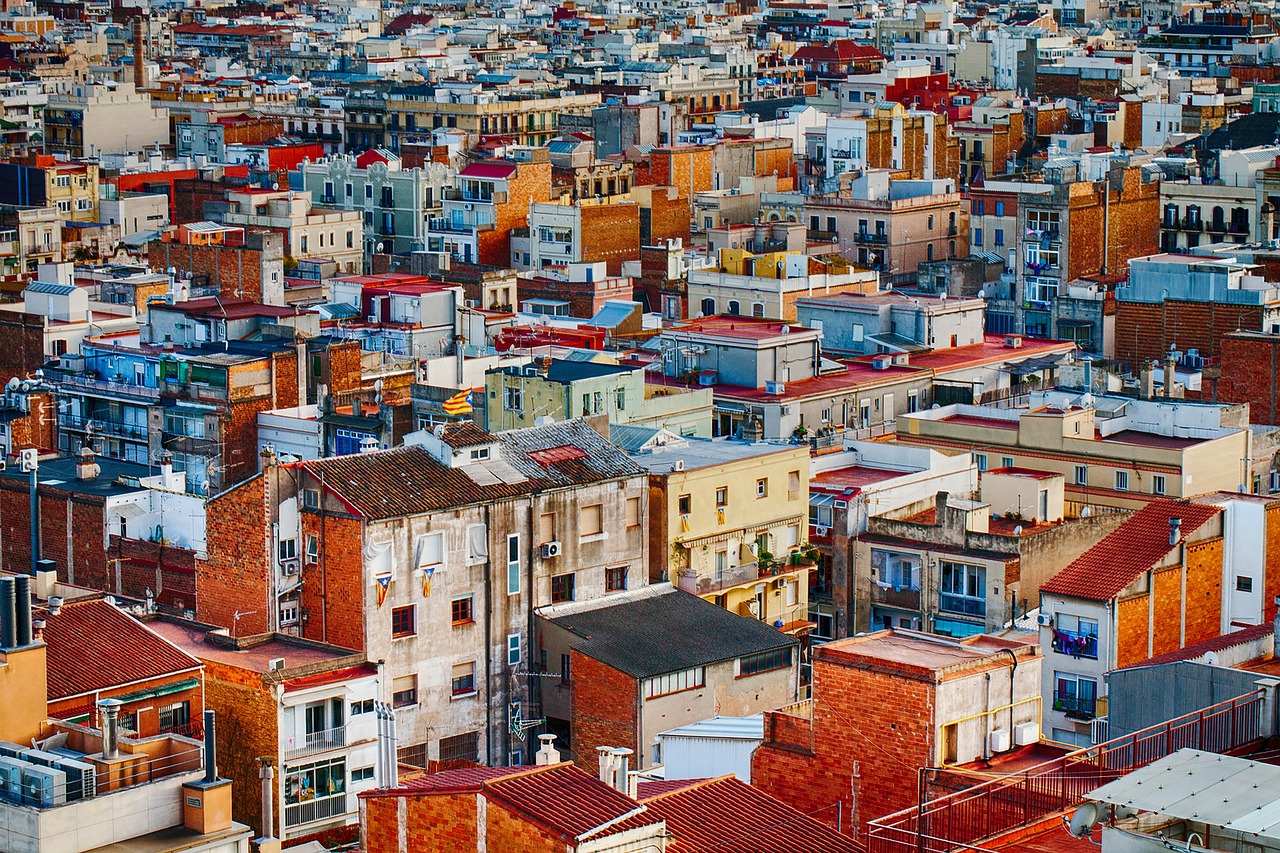
Reusing roofing materials offers a sustainable and cost-effective approach to roofing for historic homes in Tampa's charming neighborhoods. This method not only reduces construction waste but also preserves the unique architectural character of these properties. When considering emergency roof repair for historic homes Tampa, opting for material reuse can be a responsible choice. It aligns with the city's commitment to historic preservation and can extend the lifespan of these beloved structures.
In Tampa, many historic homes boast intricate architectural details that necessitate specialized roofing solutions. Instead of discarding old materials, experienced roofers can carefully remove and inspect them for reuse. This process allows for the recovery of high-quality materials, such as tiles or shingles, which can be used to repair or even restore these iconic structures. A local roofer specializing in historic home preservation might salvage slate shingles from a Victorian-era house, ensuring that the home retains its original aesthetic appeal. By embracing material reuse, Tampa's historic roofing companies contribute to a circular economy, minimizing the environmental impact of construction and renovation projects.
Reviews for historic home roofing companies Tampa often highlight the importance of sustainability and preservation. Homeowners appreciate contractors who understand the unique needs of these properties and prioritize eco-friendly practices. According to industry experts, many historic roofing projects can be completed at competitive rates, especially when factoring in the potential long-term savings from reduced material waste. This approach not only benefits the environment but also ensures that Tampa's rich architectural heritage is preserved for future generations. By integrating reusable materials into their projects, roofing professionals in this city exemplify the harmonious relationship between historic preservation and modern sustainability practices.
The Environmental Footprint of Historic Homes' Roofs
The environmental impact of roofing is a significant consideration, especially when preserving Tampa's historic neighborhoods. Reusing roofing materials for historic homes offers a sustainable solution that goes beyond aesthetics and preservation. The footprint of a roof on the environment is multifaceted, from material extraction and manufacturing to installation and eventual disposal. In the context of Tampa's historic homes, where preservation is paramount, choosing the right roofing materials can make a substantial difference.
Traditional roofing materials like slate or tile, when sourced locally and reused, can significantly reduce the carbon footprint associated with new material production. These materials are durable and, when properly maintained, can last for decades, eliminating the need for frequent replacements. Best local roofers specializing in historic homes in Tampa understand the importance of these materials in preserving the area's unique architectural character while minimizing environmental impact. Using recycled or reclaimed materials for roofing can also divert waste from landfills, fostering a circular economy.
Affordable historic home roofing in Tampa doesn't have to compromise on sustainability. Experts recommend that homeowners consider the life cycle cost of roofing, which includes environmental considerations. By choosing materials that can be reused or recycled, Tampa residents can contribute to a more sustainable future while preserving their historic homes. This approach aligns with the city's commitment to historic preservation and offers a practical, eco-conscious solution for roof replacements, ensuring that the unique character of these neighborhoods is maintained for generations to come.
Community Engagement: Tampa's Historic Neighborhoods and Recycling

In Tampa's vibrant historic neighborhoods, community engagement is a key aspect of responsible roofing practices. Residents and local roofing specialists, such as those reviewed for their work in historic homes, play a crucial role in promoting sustainable building methods. One of the most significant environmental benefits of roofing for historic homes in Tampa is recycling and reusing materials. Instead of contributing to the growing waste stream, many local roofing companies specialize in removing and repurposing existing materials from the same-day roof replacement process.
A top-rated roofer in Tampa may recover materials like shingles, metal, and underlayment from the old roof, sorting them for appropriate recycling. These practices not only reduce the demand for new resources but also cut down on construction waste, which often ends up in landfills. This initiative aligns perfectly with the city's commitment to sustainable development and historic preservation.
Local Tampa roofing specialists for historic homes are often well-versed in the unique challenges and requirements of these projects. They work closely with residents and preservation groups to ensure that any new installations or repairs maintain the authentic character of the neighborhood. By embracing recycling and reusing, these professionals contribute to a circular economy, where materials are continually utilized, minimizing the environmental footprint of roofing projects in Tampa's historic districts. This approach not only benefits the planet but also encourages community members to take pride in their role in preserving the city's rich architectural heritage.
Long-Term Benefits: Green Roofs for Tampa's Historic Future
As Tampa's historic neighborhoods continue to flourish, the preservation of these unique architectural gems requires a delicate balance between maintaining the past and embracing modern sustainability. One of the most impactful ways to achieve this balance is through the strategic reuse of roofing materials, which offers both environmental and economic benefits. When considering roofing for historic homes Tampa, opting for green roofing solutions can be a major improvement for the long-term health of these neighborhoods.
The environmental advantages of green roofs in Tampa are multifaceted. These systems, designed to mimic natural ecosystems, significantly reduce the urban heat island effect, lowering the surrounding temperature. This is particularly beneficial in Tampa's humid climate, where cooling costs can be high. Green roofs act as natural filters, absorbing rainwater and reducing the strain on local drainage systems. By integrating these modern innovations with historic homes, we can create more resilient and ecologically friendly urban environments.
Cost-effective roofing solutions for historic homes Tampa don't have to come at the expense of quality or sustainability. Skilled local roofers, familiar with the unique challenges of historic preservation, can install modern, long-lasting materials that mimic traditional roofing styles. Synthetic slate or metal roofing can provide the aesthetic appeal of historic materials while offering superior durability. This approach ensures that the homes remain true to their period while also ensuring their longevity.
Preserving historic homes with modern roofing in Tampa is a delicate art, but the benefits are clear. By embracing green roofing practices, we not only protect these cultural treasures but also contribute to a more sustainable future. This balanced approach allows Tampa's historic neighborhoods to thrive, ensuring that the city's rich architectural heritage is preserved for generations to come.
As we've explored, the environmental benefits of reusing roofing materials in Tampa's historic neighborhoods are significant. By assessing the impact of historic roofs, we've uncovered their immense value and the potential for sustainable practices. The article highlights that the environmental footprint of historic homes' roofs can be reduced through reuse, a key aspect of community engagement and recycling. The long-term benefits of green roofs for Tampa's historic future are clear: they not only preserve the city's architectural heritage but also contribute to a greener, more sustainable urban environment. For roofing for historic homes Tampa, this means embracing a holistic approach that balances the preservation of the past with the demands of the present, ensuring a vibrant and eco-conscious future for our neighborhoods.
Roofing for Historic Homes Tampa: Balancing Preservation and Sustainability
In Tampa's historic neighborhoods, roofing decisions go beyond aesthetics. Reusing and repurposing materials, like salvaging tiles for repairs, minimizes waste and respects the home's original integrity. Opting for durable, eco-friendly materials like composite tiles reduces environmental impact while preserving the unique architectural character. Top-rated roofers specializing in historic homes prioritize sustainability, offering cost-effective, long-term solutions. This balanced approach ensures Tampa's historic structures remain ecologically responsible and structurally sound.