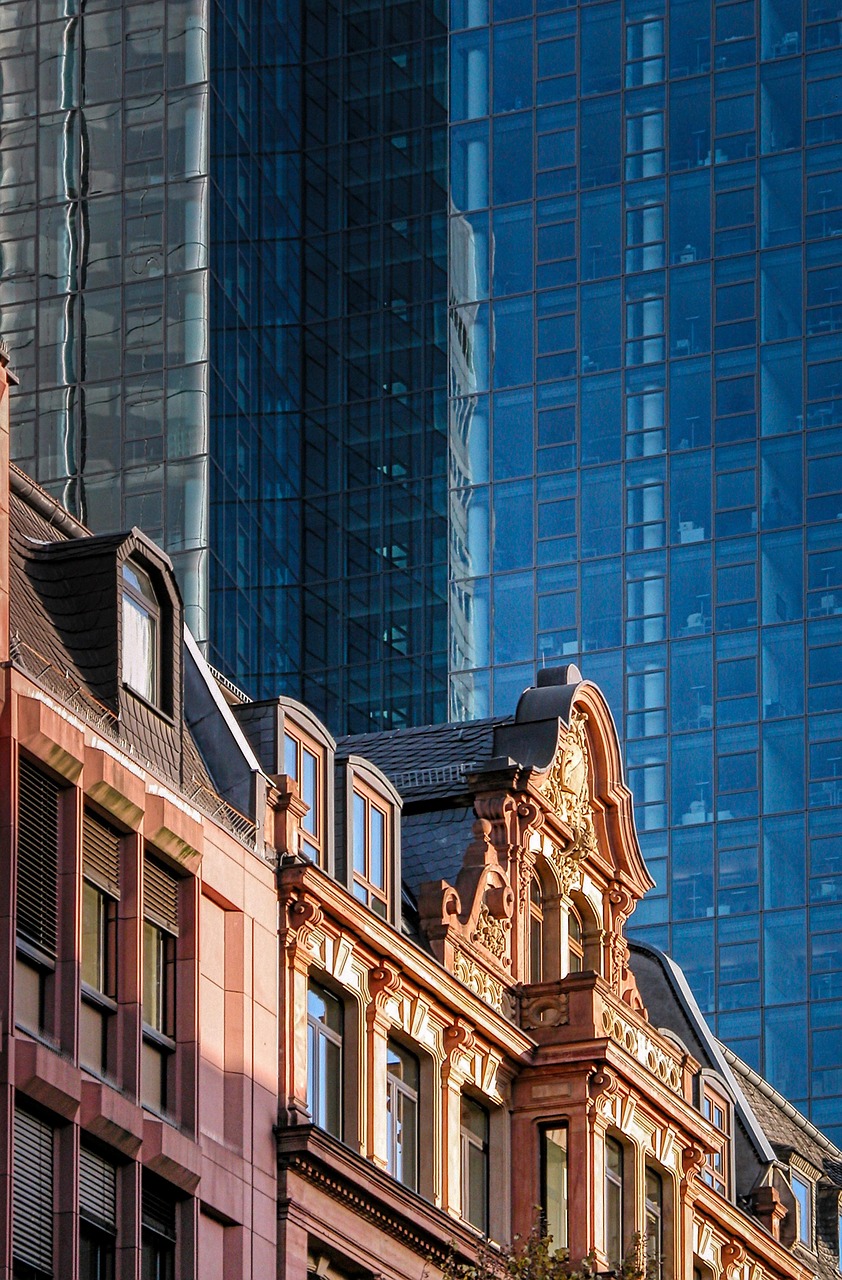
In historic homes Tampa, the preservation of architectural integrity is paramount, and roofing plays a pivotal role. However, the process of selecting licensed and certified roofers specializing in historic home roofing can be daunting. With a growing awareness of the city's rich historical fabric, there's a heightened need for skilled professionals who understand the unique challenges of restoring and maintaining these old structures. This article guides you through the essential steps and requirements for ensuring your Tampa historic home receives the expert roofing it deserves, from understanding the roofer selection criteria to exploring budget planning and emergency repairs, ultimately preserving the city's architectural heritage.
- Understanding Tampa's Historic Home Roofing Regulations
- Licensing Requirements for Roofers in Historic Districts
- Certification Programs for Specialized Historic Roofing
- The Application Process: Permits and Inspections for Historic Homes
- Continuing Education and Trade Association Engagement for Historic Roofing
Understanding Tampa's Historic Home Roofing Regulations

In Tampa, historic home roofing regulations are critical to preserving the city's architectural heritage. Understanding these regulations is essential for property owners and licensed historic home roofing contractors Tampa looking to conduct restoration or repair work. The city places a strong emphasis on maintaining the authentic character of historic structures, which means that any roofing work must meet specific guidelines to ensure it aligns with the era and style of the property.
Top-rated historic home roofers Tampa who specialize in this field are well-versed in the local codes and standards. They understand that historic roofing involves more than just replacing a roof; it often requires the restoration of original materials and techniques. A 1920s Victorian home might need shingles made from locally sourced wood or a specific style of flashing to maintain its period-appropriate appearance. Local Tampa roofing specialists for historic homes must possess the expertise to source and install these materials correctly, ensuring both the structural integrity and aesthetic authenticity of the property.
Property owners initiating roofing projects in historic districts should engage with the community and relevant stakeholders. This engagement often includes obtaining permits and following a review process to ensure the work complies with the city's preservation regulations. A property owner looking to replace a roof on a 19th-century home in the historic Ybor City district would need to consult with local historians, architects, and the Tampa Historic Preservation Board. This collaborative approach ensures that any changes are thoughtfully integrated into the fabric of the city's past, preserving the character and history of historic homes Tampa for future generations.
Licensing Requirements for Roofers in Historic Districts

In Tampa, where historic homes dot the landscape, licensing and certification for roofers are crucial to ensure the preservation of these cultural gems. Roofing for historic homes Tampa requires a unique blend of skill, knowledge, and adherence to stringent guidelines to maintain the integrity of these structures' architectural character. The licensing requirements for roofers in historic districts are designed to safeguard the city's cultural heritage and protect property values.
When selecting a roofer for these specialized projects, it's essential to consider the specific challenges posed by historic homes with their unique architecture. The process involves a detailed understanding of local building codes, historical design elements, and materials that align with the era of the property. Roofers must be adept at working with materials like slate, tin, or hand-crafted shingles, which are common in older homes. Reviews for historic home roofing companies Tampa can provide valuable insights into a contractor's experience and expertise in this field.
Expert advice on roofing historic homes Tampa suggests a multi-step approach to ensure compliance and quality. First, homeowners should verify that the roofer holds the necessary licenses and certifications, such as those from the Florida Building Commission. These credentials confirm the roofer's competence in accordance with local and state regulations. Checking for membership in industry associations dedicated to historic preservation can offer further assurance of their commitment to responsible roofing practices. This meticulous selection process is key to preserving the rich architectural history of Tampa's historic homes.
Certification Programs for Specialized Historic Roofing
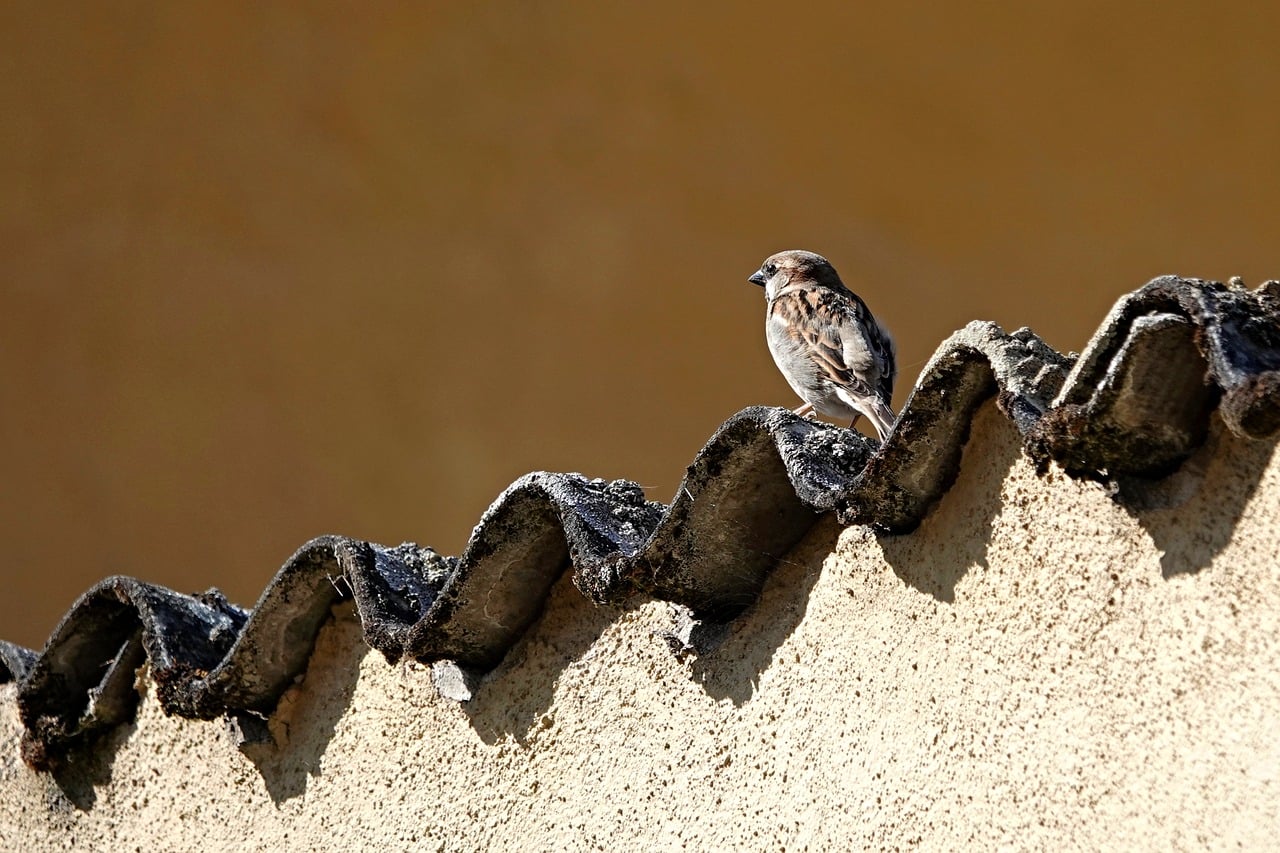
In Tampa, preserving historic homes involves more than just any roofing service. Roofing for historic homes Tampa requires a deep understanding of the property's unique architecture and the best practices for maintaining its historical integrity. This specialized skill set is why certification programs play a crucial role in ensuring the longevity of these protected structures. The same-day roof replacement Tampa historic homes sometimes necessitate, but a thorough understanding of historic roofing techniques is key.
One notable program is offered by TopFloridaPros, a network of experts dedicated to historic home preservation. They provide training in the latest preservation techniques and materials, specifically tailored to Tampa's diverse architectural styles. This includes hands-on experience with repairs and restoration projects, ensuring that roofers are equipped to handle the challenges of historic homes. A roofer might learn how to properly restore a Victorian-era belfry or replace shingles on a Spanish-mission-style building, preserving the home's original character.
Beyond the practical aspects, certification programs also emphasize the importance of compliance with local building codes and historic preservation guidelines. This is essential for roofing for historic homes with unique architecture Tampa. Programs may include workshops on budget planning and affordable roofing solutions, considering the financial constraints often associated with historic home repairs. By combining technical expertise with a deep understanding of the city's preservation goals, these certified professionals help Tampa residents preserve their historic homes with modern roofing solutions.
The Application Process: Permits and Inspections for Historic Homes

When undertaking roofing for historic homes Tampa, navigating the permitting and inspection process is crucial to ensure both compliance and the preservation of your property's historical integrity. The application process involves a series of steps designed to safeguard the unique architectural features and materials used in these older structures.
Before any work begins, homeowners should obtain a building permit from the City of Tampa. This permit is a legal document that allows you to proceed with construction or renovation work. When applying for a permit for historic home roofing in Tampa, you'll need to provide detailed plans and, in some cases, historical preservation guidelines. The building department will review these plans to ensure they meet the required standards for historic structures. This process can include specific requirements for materials, colors, and techniques to preserve the home's original character.
Local Tampa roofing specialists for historic homes should be well-versed in these guidelines and the permitting process. They can guide you through the necessary steps, ensuring your project is in compliance. This includes scheduling an inspection, during which a building department official will verify that your work aligns with the approved plans and codes. Through proper permitting and inspection, affordable historic home roofing Tampa can be both functional and respectful of the property's historical significance.
Continuing Education and Trade Association Engagement for Historic Roofing

In Tampa, the preservation of historic homes often involves specialized roofing techniques and materials. For expert advice on roofing historic homes Tampa, continuing education and engagement with trade associations are paramount. Roofers who specialize in historic preservation must stay abreast of the latest restoration techniques, as well as the unique challenges that come with restoring older structures. Emergency roof repair for historic homes Tampa requires a delicate balance between preserving historical integrity and providing swift protection from the elements.
Many top-rated roofers in Tampa prioritize continuing education to maintain their skills and knowledge. They participate in workshops, seminars, and online courses focused on historic roofing to learn from industry experts and stay informed about the latest developments in the field. Engagement with trade associations like the National Historic Preservation Association (NHPA) or local historic preservation groups offers additional benefits, including networking opportunities, mentorship, and access to specialized resources. These connections can help roofers navigate the intricacies of working on historic properties and ensure their projects meet the highest standards of preservation.
Beyond the technical aspects, engaging with these associations provides access to expert advice tailored to the specific needs of historic homes. Same-day roof replacement Tampa historic homes can be a delicate process, requiring careful coordination with historical societies and building inspectors to ensure the new roof complements the building's architecture and historical significance. By staying actively involved in their respective trade associations, roofers can benefit from a collective body of knowledge and best practices, ultimately contributing to the preservation of Tampa's rich architectural heritage.
Frequently Asked Questions About Licensing and Certification Requirements for Historic Home Roofers in Tampa
What types of licensing and certification are required for roofers working on historic homes? Roofers specializing in historic homes in Tampa must meet specific licensing and certification standards. This includes obtaining a valid contractor's license from the state, as well as additional certifications focusing on historic preservation and specific roofing techniques. The Florida Department of Business and Professional Regulation (DBPR) oversees these licenses.
How do I know if a roofer is certified for historic preservation work? Look for certifications from organizations like the National Park Service (NPS) or local historical societies. Some roofers also carry memberships or affiliations with the National Historic Preservation Association (NHPA). These certifications demonstrate expertise in working with historic structures and materials.
Are there specific training programs for historic home roofers? Yes, numerous programs offer specialized training for roofers aiming to work on historic homes. These programs cover topics like traditional roofing methods, restoration techniques, and the use of period-appropriate materials. Local community colleges and historic preservation groups often host workshops and courses tailored to this field.
What is the difference between a contractor's license and a specialty certification? A contractor's license is a general requirement for all roofing work, ensuring professionals meet minimum standards. Specialty certifications, however, are focused on specific areas like historic preservation, green roofing, or metal roofing. These certifications demonstrate advanced knowledge and skills in particular niches.
Can a roofer self-certify or must they pass an exam? Most certifications require passing an exam administered by the certifying body. Self-certification is not common in this industry, as it's heavily reliant on practical experience and knowledge. Exams assess understanding of building codes, safety procedures, and historical restoration practices.
How often do I need to renew my licenses and certifications? Licenses and certifications typically require renewal annually. Renewal processes involve paying fees, completing continuing education units (CEUs), and verifying that you remain in good standing with the relevant authorities. Staying current ensures compliance with Tampa's building codes and industry standards.
Navigating the roofing landscape for historic homes in Tampa requires a deep understanding of local regulations, licensing, and certification programs. By adhering to the strict standards set by Tampa's historic districts, roofer selection becomes a critical process, ensuring both the preservation of these precious structures and the highest quality of workmanship. The article has highlighted the importance of certification programs and the application process, including permits and inspections, to achieve successful restoration and repair. Engaging with trade associations and prioritizing continuing education keeps roofing professionals updated on best practices for historic preservation. These key insights empower homeowners and contractors alike to take informed steps, ensuring that the unique character of Tampa's historic homes is not only maintained but celebrated through expert roofing solutions.
Roofing for Historic Homes Tampa: A Guide to Navigating Regulations and Best Practices
Tampa's historic home roofing requires a blend of skill and knowledge to maintain architectural integrity. Licensing and certification are crucial, with local codes and historical design elements guiding repairs. Roofers must understand materials like slate, tin, and hand-crafted shingles. Engagement with community stakeholders and historic preservation boards ensures compliance and maintains the city's cultural heritage.
Key Takeaways:
- Licensing & Certification: Essential for preserving Tampa's cultural heritage and property values.
- Historical Understanding: Knowledge of local building codes, design elements, and period materials is vital.
- Community Engagement: Consult with historians, architects, and preservation boards for thoughtful integration.
- Specialized Training: Top programs like TopFloridaPros offer certification tailored to Tampa's diverse architecture.
- Permitting & Inspection: Strict review processes ensure compliance with historic preservation guidelines.
- Continuing Education: Roofers stay updated through workshops, seminars, and trade association engagement.